Powder Coating vs. Anodizing: How to Choose for Metal Parts | Doing Metal
Compare Powder Coating vs. Anodizing for your custom metal parts. Discover differences in durability, precision, and cost to select the best finish for aluminum or steel. Expert guidance from Doing Metal’s 10-year fabrication team in Ningbo.
SURFACE TREATMENT
Violet Gao
4/3/20262 min read
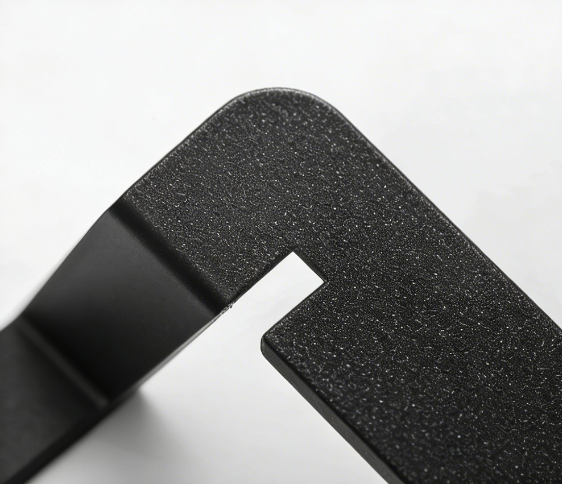
Powder Coating VS Anodizing:
Choosing the Right Finish for Your Custom Metal Parts
In custom sheet metal fabrication, selecting the appropriate surface treatment is as critical as the precision of the cut itself. Two of the most prevalent industrial finishes are Powder Coating and Anodizing.
While both enhance durability and aesthetics, they operate on different chemical principles and serve distinct functional purposes. At Doing Metal, we help our clients navigate these choices based on material type, environmental exposure, and budget.
1. Powder Coating: The Versatile Protective Shield
Powder coating is a dry finishing process where electrostatically charged powder is sprayed onto a substrate and cured under heat.
Best For: Carbon steel, aluminum, and galvanized steel.
Key Advantages:
Superior Corrosion Resistance: Creates a thick, robust barrier against moisture and chemicals—ideal for livestock feeding equipment.
Color & Texture Variety: Offers near-limitless RAL color options and textures (matte, glossy, sand-grain).
Impact Resistance: Excellent at resisting chips and scratches during transport and assembly.
Best Applications: Electrical enclosures, outdoor furniture, and heavy-duty structural brackets.
2. Anodizing: The Integral Electrochemical Bond
Unlike powder coating, which sits on top of the metal, anodizing is an electrochemical process that converts the metal surface into a decorative, durable, corrosion-resistant, anodic oxide finish.
Best For: Aluminum (Type II and Type III Hardcoat).
Key Advantages:
Dimensional Stability: The layer is extremely thin, making it perfect for high-precision components where tight tolerances (±0.02mm) must be maintained.
Hardness & Wear Resistance: Type III Hardcoat provides a surface harder than tool steel, ideal for friction-heavy industrial environments.
Non-Flaking: Since the oxide layer is part of the metal itself, it will never peel or flake off.
Best Applications: Aerospace components, heat sinks, and high-end electronic housings.
Comparative Analysis: At a Glance
Making the Decision
When deciding between the two, ask your engineering team:
Is the part aluminum? If not, powder coating is your primary option.
Does the part have strict tolerances? If yes, anodizing preserves the precision of your TRUMPF laser-cut dimensions better.
Will it be used in a harsh outdoor environment? High-quality powder coating often provides a better chemical barrier for steel components.
Expert Guidance from Doing Metal
With over a decade of manufacturing expertise in Ningbo, Doing Metal ensures that your surface treatment is executed to international export standards. Whether you require the rugged protection of powder coating or the precision of hardcoat anodizing, our facility is equipped to deliver.
🔗 Explore More Technical Resources
[Surface Treatment Classification Guide]: Compare all 9+ finishing processes we offer in-house.
[Standard (As-Fabricated) Deep Dive]: Learn why a raw finish might be the most cost-effective path for your next project.
[Request a Technical Consultation]: Contact our engineering team for a customized finishing recommendation based on your CAD drawings.
Reach out for custom metal fabrication solutions.
Phone
© 2026. Doing Metal, All Rights Reserved. Privacy Policy | Terms of Use | Legal
ADDRESS
No 18 Zhenxing South Road, Qijiashan Street, Beilun District, Ningbo City, Zhejiang Province.