Application First
The cargo, route, floor and operating frequency decide the trolley structure.
 DoingMetal
Metal Trolley Manufacturer - Factory Direct, Ningbo China
We are a factory, not a trading company. We build metal trolleys on wheels: platform trucks, book trucks, hand trucks, warehouse and transfer carts, plus any other wheeled steel or stainless structure made to your drawing. The process is always the same - laser cutting, bending, welding and powder coating. What changes is the tube diameter, the sheet thickness and the frame structure. Tell us what the trolley has to carry and where it has to run.
Have only a photo or rough idea? That is enough to start the discussion. Add the target load, overall size, wheel preference and quantity whenever available.
The cargo, route, floor and operating frequency decide the trolley structure.
Laser cutting, CNC bending, tube work, welding, finishing and assembly work as one route.
Product pages explain the details your engineering or purchasing team needs to confirm.
Drawing revision, wheel model, finish, labels and packing should stay controlled from sample to reorder.
Factory Behind Doing Metal
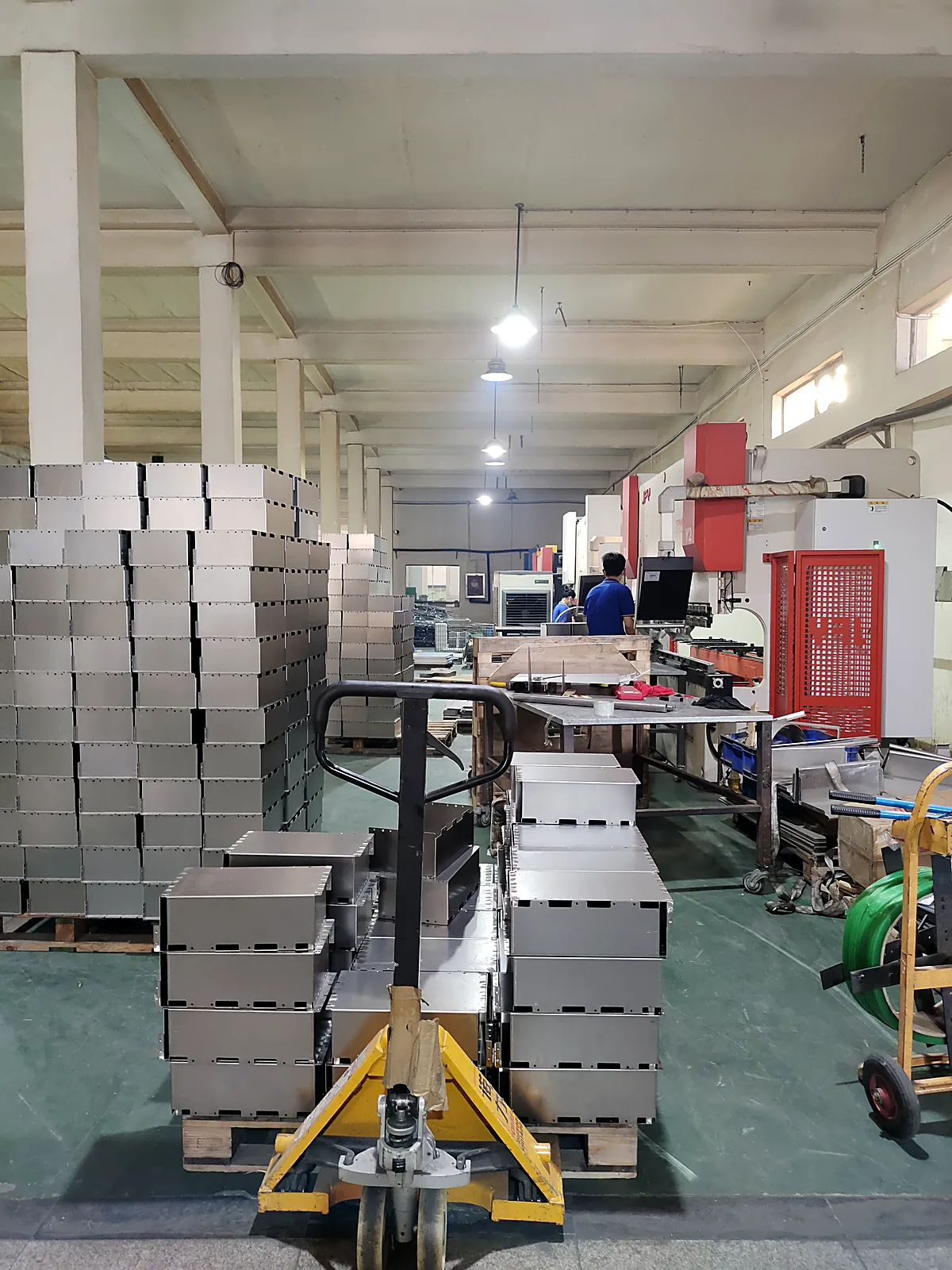
Doing Metal is the trolley-focused export site of Fulei Metal. A custom trolley is not only a frame and four wheels: it may include laser-cut decks, bent shelves, caster plates, handles, guards, mesh panels, drawers, surface treatment and final assembly.
That is why we organize the project around the way a buyer actually approves a supplier: application review, design-for-manufacturing discussion, sample or first-article confirmation, production inspection and protected export packing.
Fulei Metal company materials and the 2024 audit record provide a starting point for supplier review: a 2,500 m2 company area, 22 employees including 14 production staff, and a manufacturing route covering cutting, bending, welding, polishing, assembly and packing. Current project capability, documents and compliance evidence are confirmed during the RFQ.
Commercial Fit
Doing Metal is intended for importers, distributors, OEM brands and industrial teams that need an engineered trolley, controlled revisions and a realistic production quantity.
A sample or first article can be built from 1 to 3 units so you can check the frame, welds, wheels, finish and packing before committing to a production quantity. The sample cost is credited against your first production order.
Trial and market-testing orders from 10 to 20 units are workable once the drawing is frozen. This suits new distributor programs, catalogue launches and niche applications.
Standard production programs run from 50 units, where material purchasing, wheel sourcing, finish setup, inspection and export packing give the clearest cost basis.
Trolley Product Families
Use these families as a starting point. If your trolley is not listed here, it is still a metal frame on wheels - send the drawing and we will build it. Each page explains the buyer problem, design choices, inspection points and the information needed for a useful quotation.
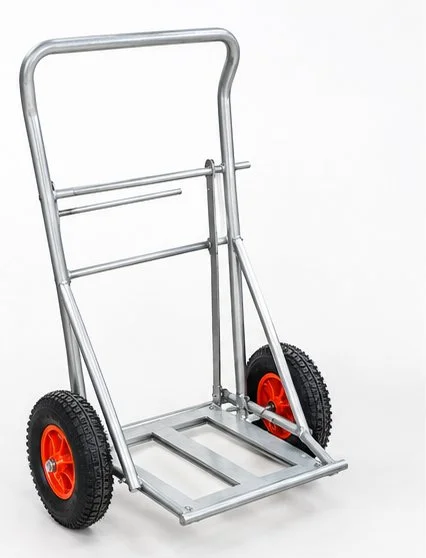
Flatbed carts for bulky or heavy goods. Confirm deck size, load, reinforcement, handle, caster layout and braking.
Explore platform trolley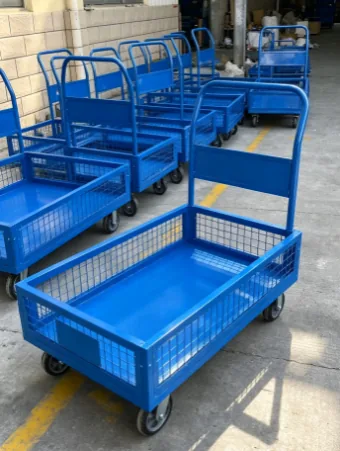
Picking and stock-transfer carts shaped around aisle width, carton size, shelf layout, route distance and daily use.
Explore warehouse trolley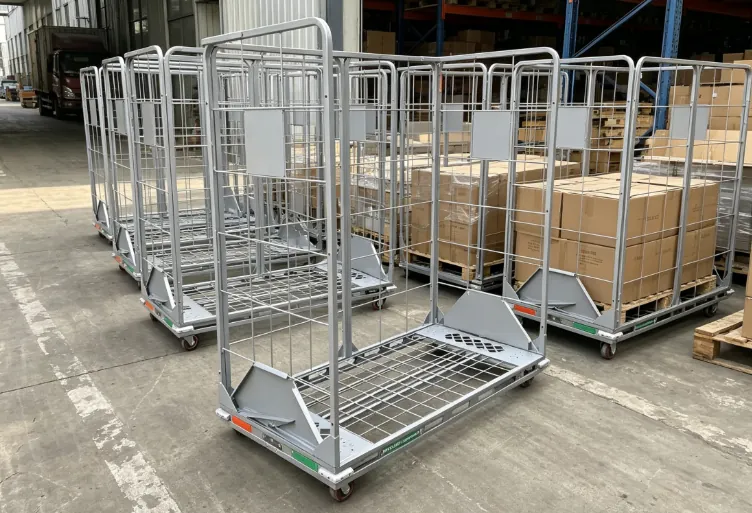
Mesh and roll-cage carts for containment, visibility and staged inventory, with fixed, folding, door and lock options.
Explore cage trolley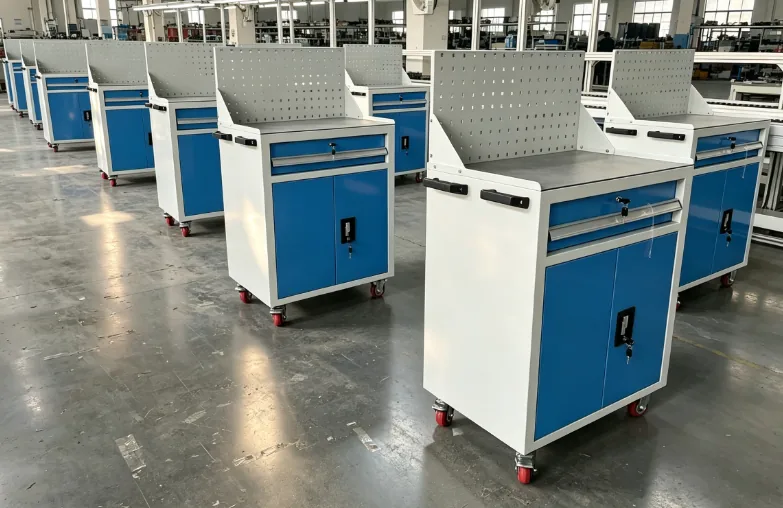
Mobile workshop storage with trays, drawers, pegboards, hooks, locks, anti-slip surfaces and brake casters.
Explore tool trolley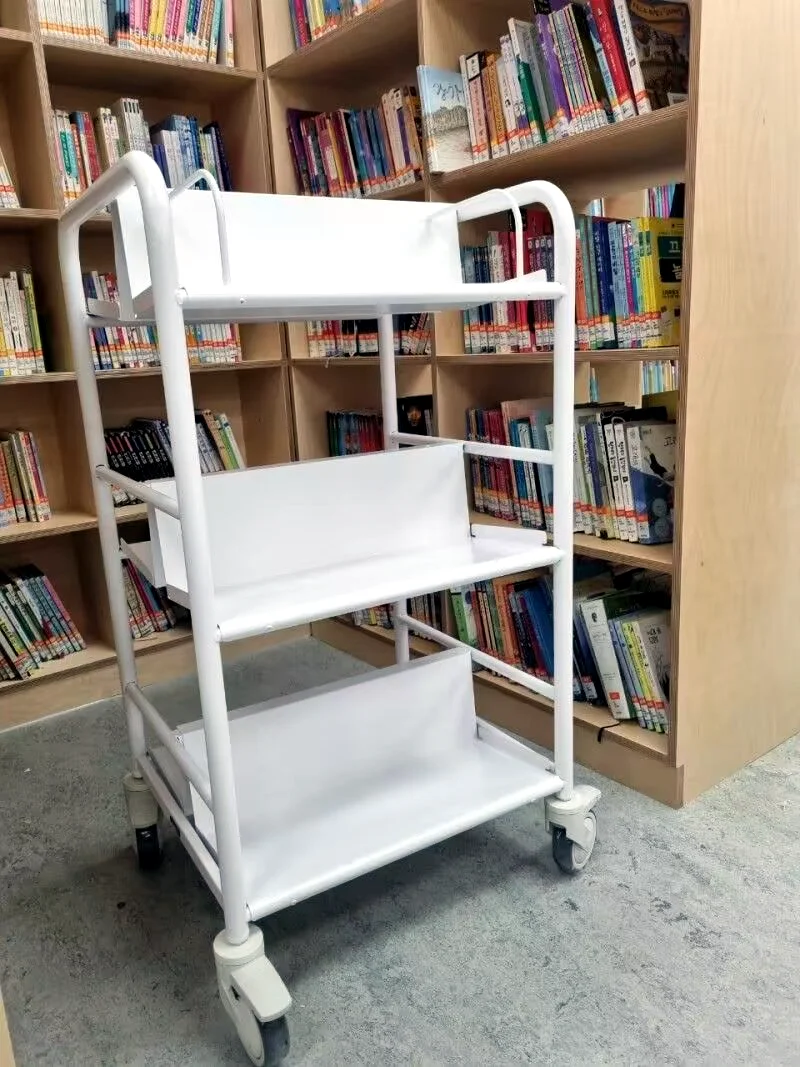
Quiet, stable carts for books, files and archives where shelf lips, smooth edges, turning space and appearance matter.
Explore library trolley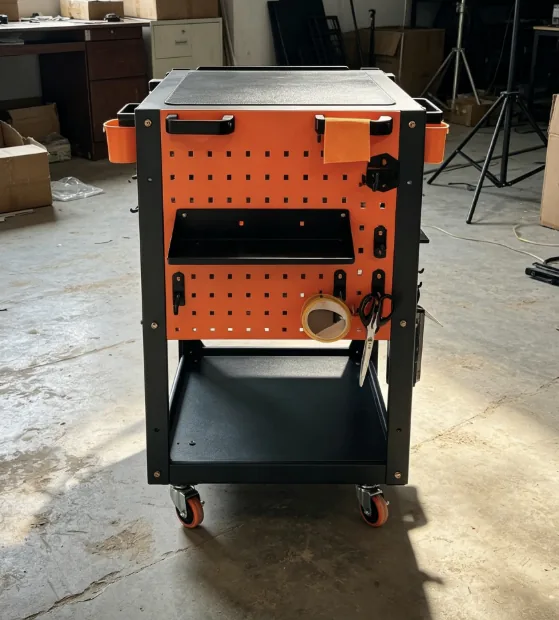
Equipment carts planned around camera cases, lights, cables, monitors, dividers, protection, quiet movement and parking.
Explore studio trolleyRecent Builds - Real Workshop Photos
Every photo below was taken in our own Ningbo plant, not taken from a stock library. They show the finish level and the repeat builds we run for distributors, equipment brands and workshop programs. Sizes, mesh, drawer layouts, finishes and caster grades all change with your specification.
Roll containers - a finished batch ready for packing
See this buildTool cabinets - cabinets lined up in final inspection
See this buildStudio carts - perforated panels for hooks and holders
See this buildPlatform carts - mesh sides keep cartons on the deck
See this build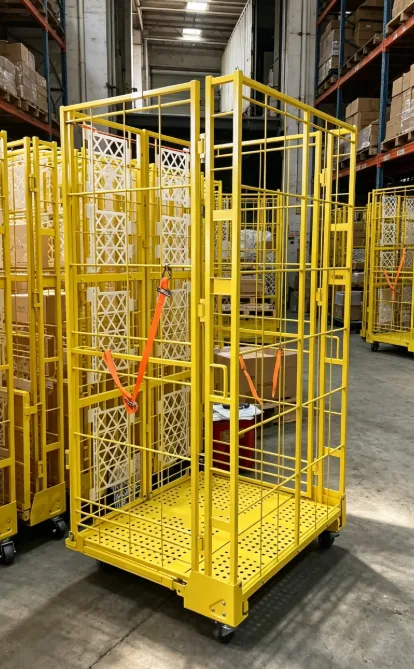
Powder coated - powder coat in a customer colour
See this build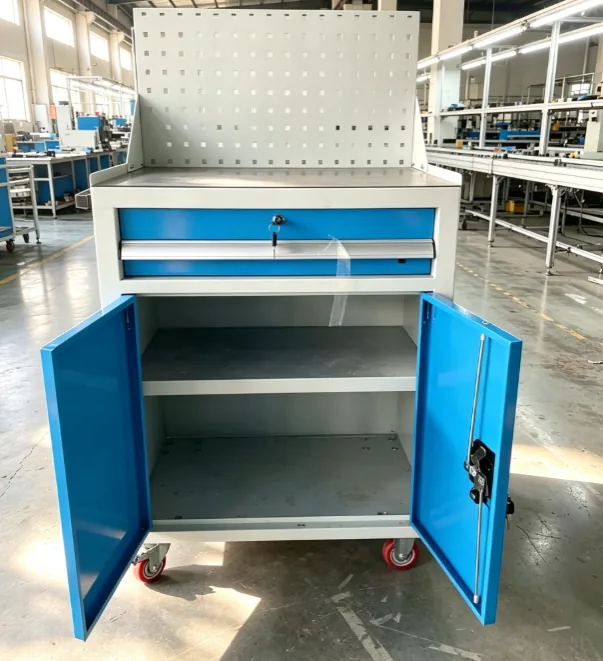
Cabinet interior - drawer plus adjustable shelf inside
See this buildSelection Framework
A product photo cannot tell us enough to select the right frame or wheels. These five inputs turn a general request into an engineering-ready RFQ.
From RFQ to Reorder
Send cargo, load, route, floor, size, quantity and a photo or drawing.
Confirm frame, deck or shelf layout, wheels, handle, finish and packing.
Check fit, movement, braking, appearance and the critical dimensions.
Keep the approved drawing, wheel model, finish and packing version consistent.
Review function, finish, accessories, quantity and export protection.
Export Packing
Nothing loses a reorder faster than a pallet of scuffed frames. Packing method is agreed with the drawing — stack pattern, separation, wrapping and container loading — and treated as an inspection item before booking.
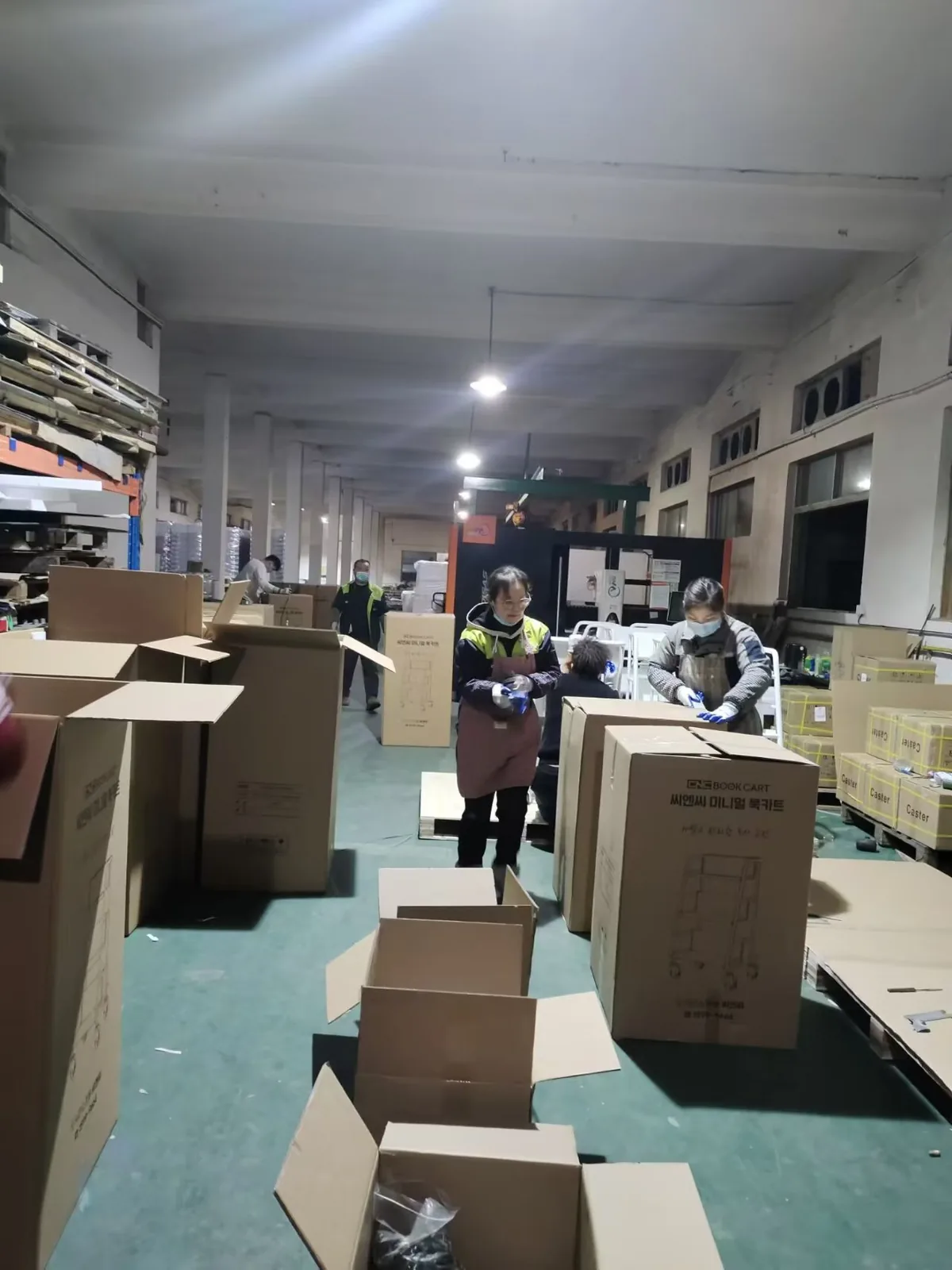
Cartons prepared per unit so nothing arrives short.
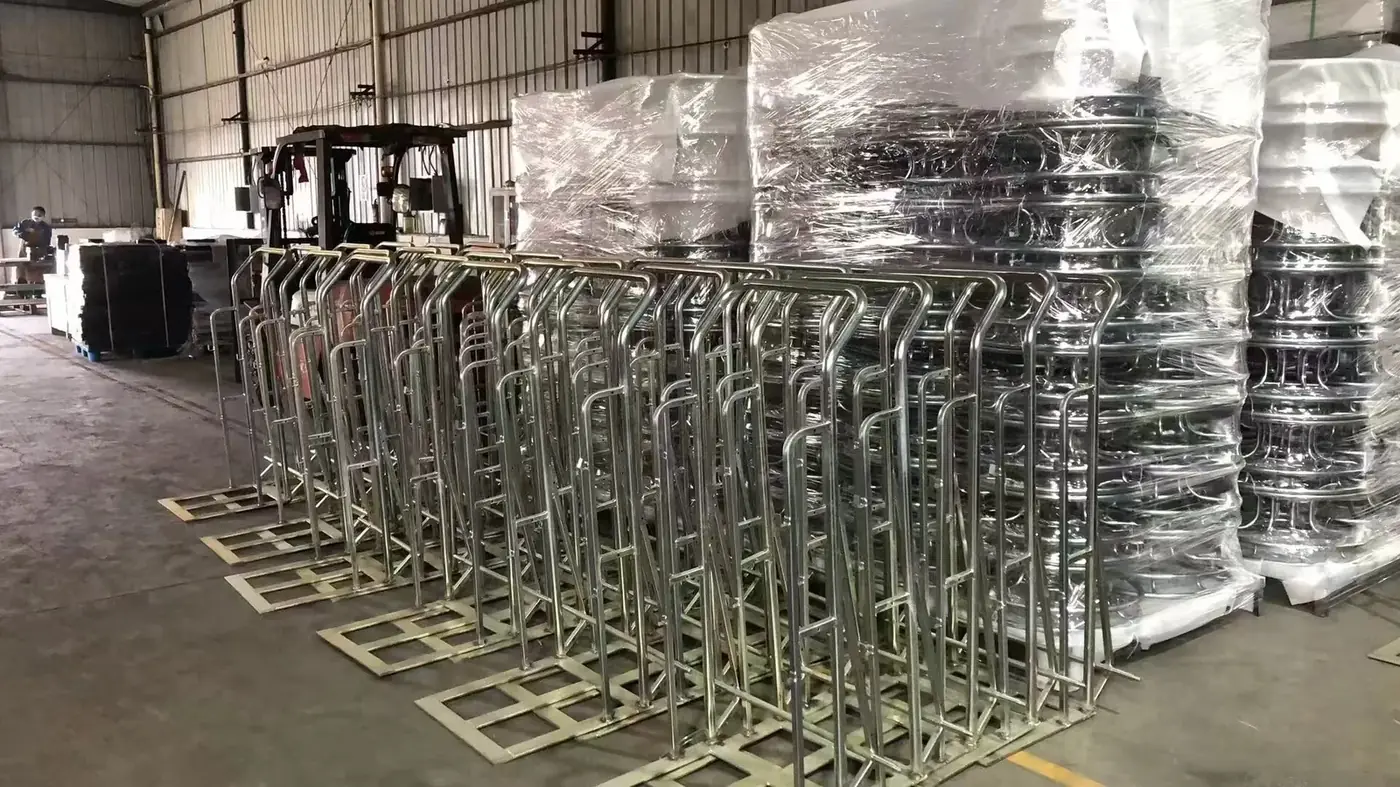
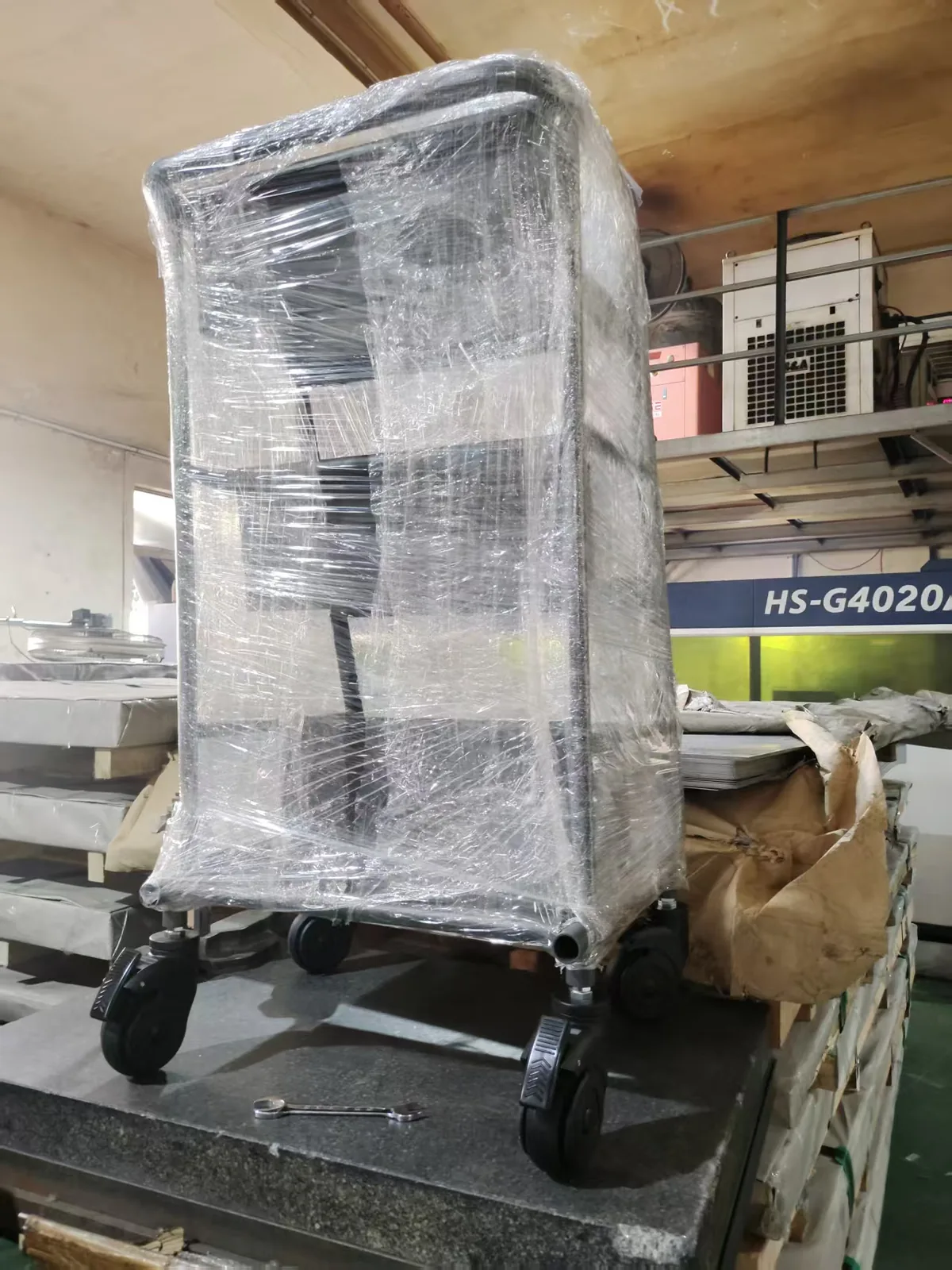
Shrink wrap and corner protection against rubbing in transit.
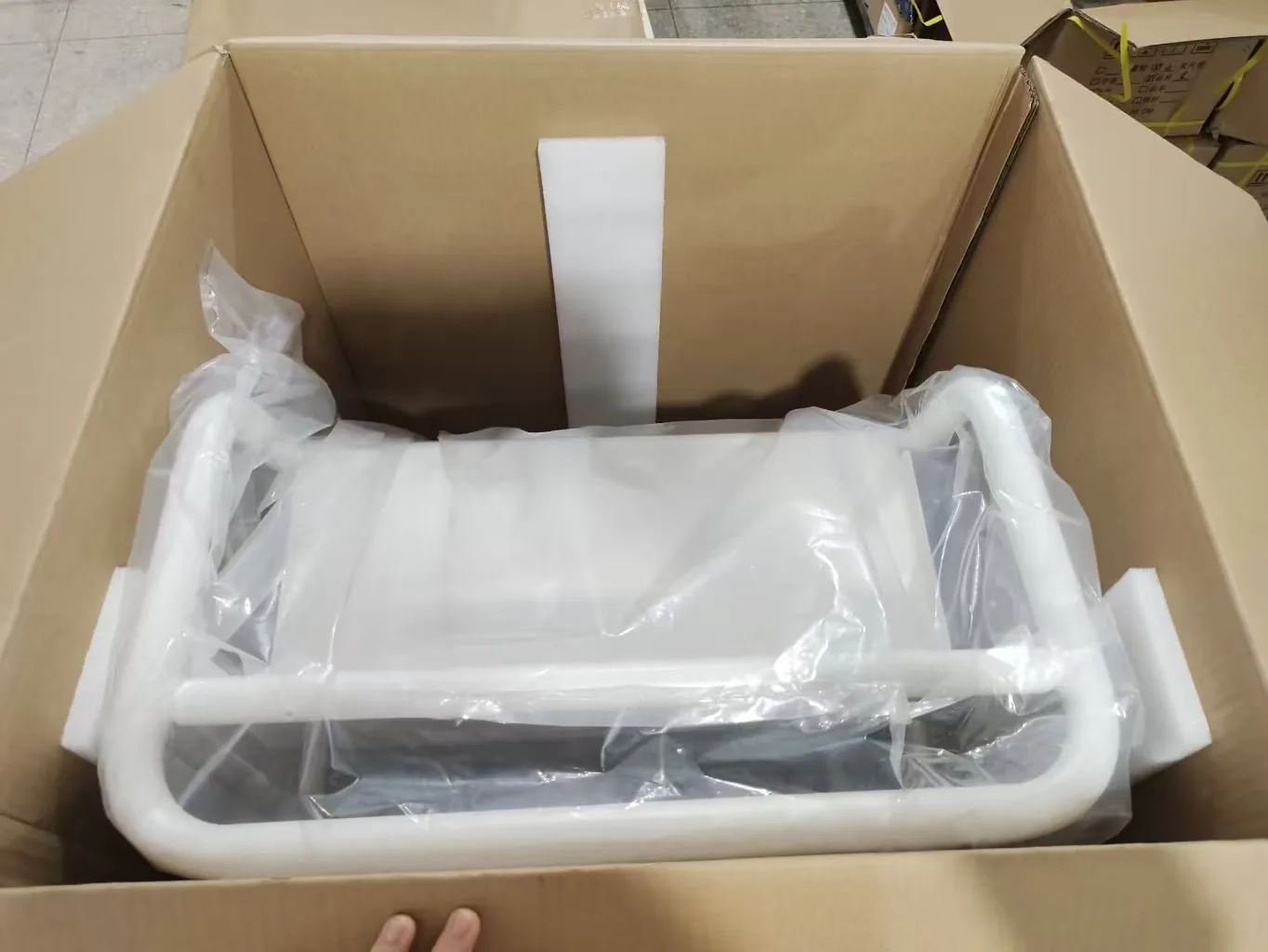
Finished surfaces masked and separated before palletising.
Labelling and carton marking to your artwork.
Application Routes
Browse the application pages for practical problems, recommended design directions and RFQ questions for each workflow.
Aisle width, picking speed, carton containment, floor protection and parking safety.
View warehouse applicationsWIP flow, line-side delivery, tool access, parts protection and repeatable loading.
View workshop applicationsQuiet movement, appearance, organized storage and safe public or customer-facing use.
View all applicationsLatest Guides
New answers to the questions that come up during quotation, written for people specifying a cart rather than buying one off a shelf.
Most cart size problems are measurable before ordering. Here is how to take the four measurements that matter.
Read the guideCarts rarely fail all at once - they degrade. This is the short list of what to inspect and what to keep in stock.
Read the guideA bowed shelf is a drawing decision made months earlier. Here is where it comes from and what fixes it.
Read the guideMost carts have the wrong brake, not no brake. Here is how to choose the one that gets used.
Read the guideBuyer Resources
Not ready for an RFQ yet? Download the buyer checklists for your sourcing file, or read the manufacturing guides covering casters, load ratings, finishes and frame welding before you send drawings to any supplier. Prefer email? Contact our export team directly and attach what you have — sketches and reference photos are fine at this stage.
Ready-to-use RFQ checklists for platform trolleys, cage trolleys and custom builds.
Get the checklistsEngineering notes on load ratings, caster selection, surface finishes and weld quality.
Read the guidesSend drawings or a reference photo to our export team — reply within one working day.
Contact Doing MetalSend your trolley type, load capacity, size, wheel requirement, quantity, and drawings or reference photos. Our team will review the structure and reply within 24 hours on business days.
Urgent project? Email gao@doingmetal.com or WhatsApp +86 18158549983.